Alienation is a behaviour, not a diagnosis
Parent-child contact problems are serious and require careful, child-focused attention. Alienation describes a pattern of behaviour — it is not a clinical diagnosis. Parenting coordinators implement existing parenting plans and resolve disputes within the court framework. They do not assign blame. Courts direct the process and enforce orders. Parenting coordination is not a substitute for intensive counselling. This page explains the distinction and provides resources for parents and professionals navigating these complex dynamics in British Columbia.
Six things to understand about parent-child contact problems
Clear distinctions that matter for parents, professionals, and the court.

Alienation is a behaviour, not a diagnosis
Clinical and legal authorities agree: parental alienation describes a pattern of conduct, not a mental health condition. It is something a parent does, not something a child has.

Parent-child contact problems are serious
Whether framed as resistance, refusal, or alienation, the harm to the child is real. These problems require careful assessment and a structured response — not assumptions or shortcuts.

Parenting coordinators implement, not blame
The parenting coordinator's role is to implement the existing parenting plan and resolve disputes within its framework. The focus is on solutions for the child — not assigning fault to either parent.

Courts direct the process and enforce orders
Parenting coordination operates within the court framework, not instead of it. Only the court can enforce orders and direct the overall process. The PC works within those boundaries.

Parenting coordination is not intensive counselling
PCs help contain and manage conflict around implementation. They do not provide therapy, diagnose family dynamics, or treat underlying psychological issues. When counselling is needed, the PC will implement it, subject to the terms of the pre-existing parenting plan. If reunification counselling is required, a court order or agreement may be necessary.

Children need protection from the conflict
The goal is not to protect a child from one parent — it is to protect the child from the conflict itself. Every intervention should be measured against that standard.
The court directs the process. The parenting coordinator implements it.
Parenting coordination is not a stand-alone process. It works within the court framework. The court directs and enforces — the Parenting Coordinator implements the parenting plan and resolves day-to-day disputes within that structure. When contact problems are severe, the court may need to provide additional direction, supervision, or therapeutic resources before the PC can operate effectively. Parenting coordination contains and manages conflict. It does not treat the underlying psychological dynamics that drive alienation. That is the work of specialized therapists and counsellors — not Parenting Coordinators.

Read the full drama triangles article
Understand the patterns that keep conflict alive so you can start stepping out of them — the article breaks it all down.
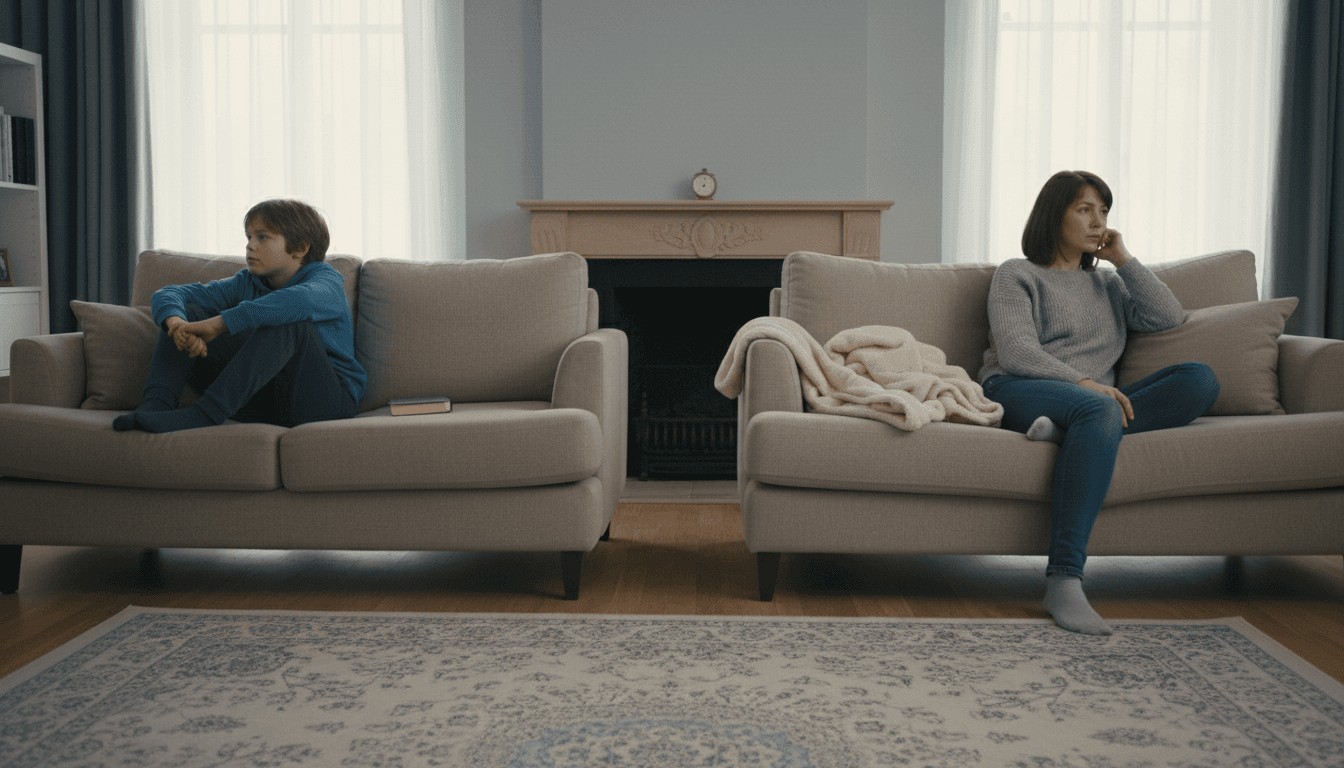
The silence when a child says no. What does it mean?
Understand the difference between resistance, refusal, and alienation — and when a Parenting Coordinator can help restore connection.

Is there a parent-child contact problem happening in your family?
Learn to recognize the patterns and find a way forward with practical guidance from a Parenting Coordinator.

Read how the teenage brain changes contact dynamics
Our article breaks down what the research actually says and what it means for your parenting plan.

The weight of a child pulling away is real. We can help you understand it.
Parental alienation is painful and confusing. Cori McGuire has written extensively on recognizing the patterns and knowing what to do next.
5 linked articles on parent-child contact problems
Every linked article on this page lives on Cori L. McGuire's site. She's the Parenting Coordinator who writes and maintains this public education resource.
Article URLs for Easy Reference
Avoid Drama Triangles in the PC Process: Parent-Child Contact Problems https://kelownalawyer.com/blog/avoid-drama-triangles-in-the-pc-process--parent-child-contact-problems When Children Refuse Parenting Time https://kelownalawyer.com/blog/when-children-refuse-parenting-time Child Contact: Alienation Problems https://kelownalawyer.com/blog/child-contact--alienation-problems Understanding the Teenage Brain and Unexplained Parent Rejection https://kelownalawyer.com/blog/understanding-the-teenage-brain-and-unexplained-parent-rejection The Anchor Parent: Thriving in the Wake of a High-Conflict Co-Parent https://kelownalawyer.com/blog/the-anchor-parent--thriving-in-the-wake-of-a-high-conflict-co-parent
Take the next step on activities disputes
Contact problems often show up around soccer, piano, and swim team. See how a Parenting Coordinator can help you break the cycle.