

High-conflict separation is not a failure of communication
It is a failure of emotional regulation. When the body locks into threat mode, words stop landing. Here is how the neuroscience works.
Wanting change is not the same as choosing it
Separating real self-reflection from empty declarations is essential to help families actually move forward.

Threat response hijacks reason
When your brain senses danger, logic checks out. The neuroscience behind reactive decisions — explained.

The contradiction of wanting peace
You say you want resolution, but your body is still bracing for attack. This gap is normal — and fixable.

Change requires a regulated nervous system
You cannot negotiate your way out of a fight-or-flight state. First, the body must settle.

From declaration to action
Wanting change is a feeling. Choosing it is a behaviour. Bridging the gap between the two.

What threat looks like in family court
Judges notice when co-parents stay stuck in reactive patterns.

Breaking the cycle starts here
Not with a dramatic promise. With one small, regulated step taken while calm.
Why do co-parents keep fighting in the same loop?
When threat response takes over, logic goes quiet. Here's how to spot the pattern and break it.

The trigger moment
A neutral comment gets read as an attack. Amygdala hijacks the prefrontal cortex.

The reactive response
You fire back. They fire back harder. Each exchange encodes the pattern deeper.

What judges notice
Repeated conflict patterns sometimes are perceived as a signal of capacity to co-parent.

How to interrupt the loop
A shared pause, a neutral question, a single sentence change can reset the whole dynamic.

The pattern in writing
Emails and texts escalate faster than spoken words. Tone is guessed, not heard.

What changes the outcome
Structure and external support break the loop. A parenting coordinator provides both.
Three ways the brain keeps conflict alive
When conflict feels wired into your nervous system, rewiring it starts with understanding the brain. This article explains the science behind reactive patterns and offers practical steps to change them.

Amygdala hijacks
Your threat detector fires before reason gets a word in. Every parenting request feels like an attack.

Broken record loops
The same argument cycles through the same neural pathways. No resolution. No exit. Just repetition.

Emotional flooding
Your body goes full alert before you hear the message. Name it, pause it, breathe through it.
Reset your brain in 45 minutes
A short break can change everything. Learn how a 45-minute pause resets your nervous system and helps you co-parent more clearly.

Why 45 minutes?
It's the minimum time your brain needs to lower cortisol and return to rational thinking.

What happens during a reset
Your prefrontal cortex comes back online. Emotion regulation improves. You see options again.

Where to take your break
A separate room, a short walk, or even your car. Anywhere you can step away completely.

What to do with the time
Breathe, move, or sit still. The goal is to let your nervous system settle, not to problem-solve.

How to explain it to your co-parent
Say: "I need 45 minutes to think clearly. I'll come back ready to talk." That's all it takes.

When 45 minutes isn't enough
For high-stakes situations, extend the break. The science still works — just give it more time.
Parenting with Purpose
Co-parenting is a professional obligation to your children, not a friendship project. Learn how to separate personal feelings from parental duties.

Separate feelings from duties
Co-parenting requires you to act like a colleague, not a friend. Focus on the task, not the relationship.

Define your professional role
You are part of a co-parenting team. When each person's role is clear, confusion drops for everyone. Your Parenting Coordinator helps you establish rules around the communication that's truly necessary to carry out your court order. Everything else is noise — and can be tuned out.

Structure the conversation
Short messages that address the issue and make a proposal keep communication efficient and prevent emotional spirals.
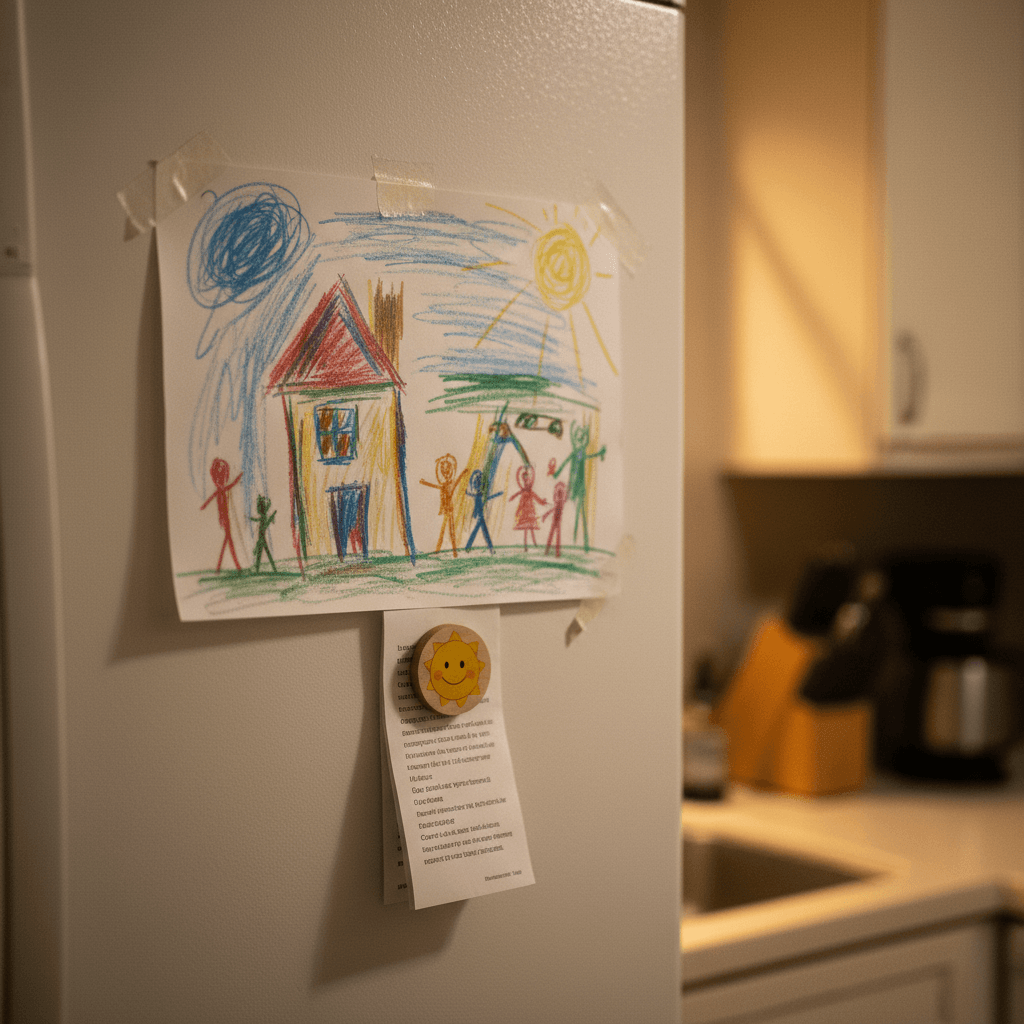
Kids first, always
Every decision should answer the question: What does this child need right now?
Self-reflection tools to disrupt conflict patterns
The section on self-reflection helps parents identify conflict patterns in high-conflict co-parenting situations.

4 conflict habits
Learn which habits escalate disputes and how to replace them.

Blame vs. curiosity
Shift from finger-pointing to asking what you can do differently.

Trigger patterns map
Identify the moments you react automatically and learn to pause.

Daily reset practice
One small habit each day to lower conflict before it starts.
The sound of a child overhearing you speak about their other parent
The words your child overhears in the car, at the dinner table, or on the phone leave marks. This article unpacks the hidden toll of negative talk and how it reshapes a child's sense of safety.

What a child hears
A sigh, a sharp tone, a muttered comment — it lands differently than you think.

The weight of words
Each negative remark becomes a tiny stone added to a load your child carries alone.

Invisible loyalty tests
Kids feel torn when they love someone you criticize. That fracture is real, and it deepens quietly.

How the body remembers
The tension in your voice raises their cortisol. Their nervous system learns to brace for conflict.

A path through the noise
You can change the channel. The article shows you how to redirect the conversation even when emotions are high.
Perfect co-parenting doesn't exist — and that's fine
Letting go of perfection makes room for real, workable solutions that actually help your kids adapt and thrive.

Drop the guilt
Your kids don't need flawless parents. They need present, consistent ones.

Lower the bar gently
Good enough means showing up, not getting every decision right every time.
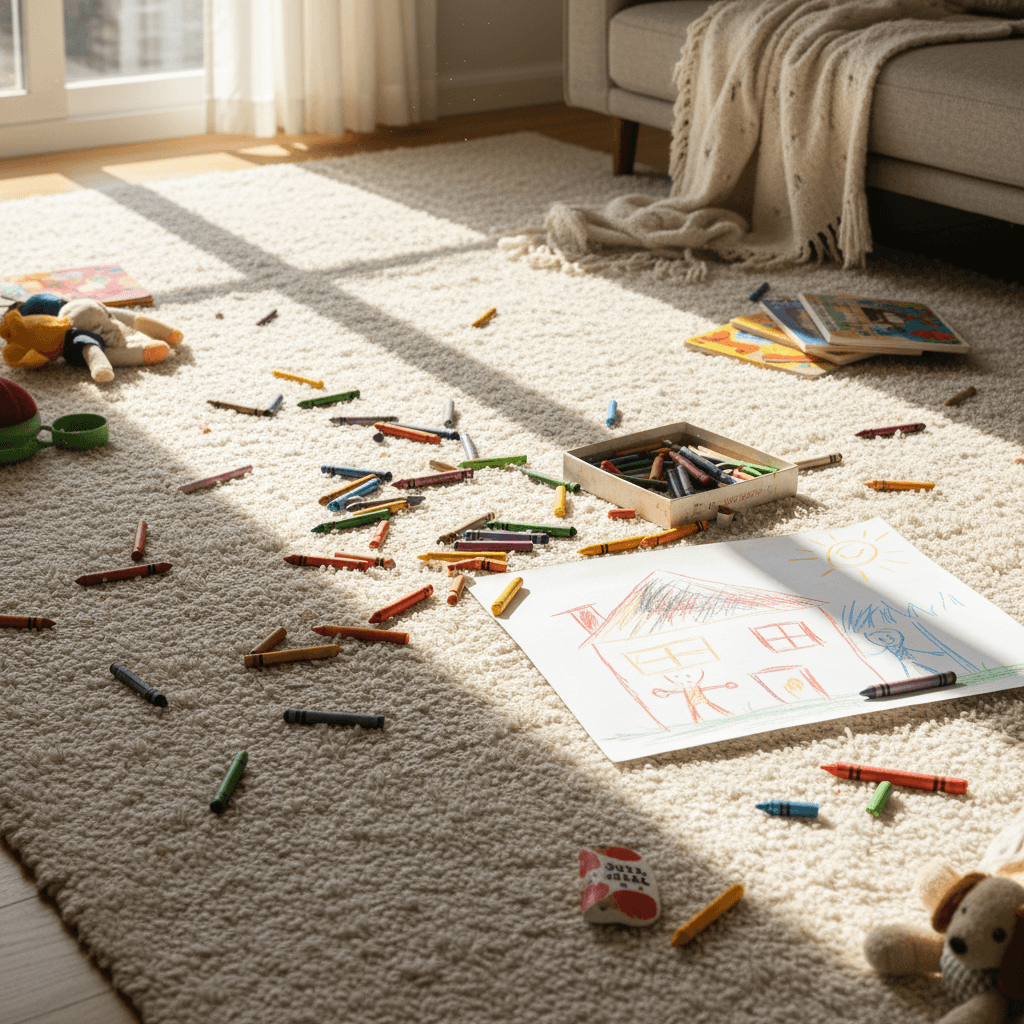
Focus on what works
Small, imperfect steps forward do more for your family than perfect plans that never stick.

Let the small stuff slide
Choosing your battles frees up energy for the moments that actually matter to your kids.
What does it look like when children get to just be children?
When we make space for magic, children can just be children. Here is how parenting coordination protects that.

Untroubled playtime
Kids focus on Lego and friends, not on grown-up disagreements.

No messenger duty
They never have to pass notes or carry messages between homes.

Both parents show up
Soccer games and school plays have both sets of cheering eyes present. Parenting Coordinators set up agreements for maintaining distance and greeting the child, without taking over the parenting time.

Decisions stay out of reach
Schedules and logistics are handled by adults behind the scenes.
Stop DARVO in Co-Parenting
Spot manipulation patterns before they escalate. Learn to recognize the deny-attack-reverse victim cycle in co-parenting and respond with clarity.

Deny the facts
When one parent flatly denies events you both know happened, it's not forgetfulness — it's a tactic.

Attack the accuser
The conversation shifts from the real issue to character attacks. You stop defending your point and start defending yourself.

Reverse victim-offender
Suddenly you're the one apologizing. The person who caused harm now claims to be the victim. This is the core DARVO move.

Recognize the cycle
Once you name the pattern, it loses power. You stop reacting and start responding with a clear head.
Read why feeling left out fuels most disputes
Most fights aren't about the decision itself, but about being excluded from the process. Structure fixes that.
Explore the high conflict family dynamics resource library
Do You Really Want Change? The Neuroscience of High-Conflict Divorce https://kelownalawyer.com/blog/do-you-really-want-change--the-neuroscience-of-high-conflict-divorce The Unproductive Loop: Why High-Conflict Co-Parents Keep Fighting — And What Judges Will Notice https://kelownalawyer.com/blog/the-unproductive-loop--why-high-conflict-co-parents-keep-fighting--and-what-judges-will-notice The Brain on Conflict: Why Co-Parenting Feels Impossible and How to Rewire Your Reactions https://kelownalawyer.com/blog/the-brain-on-conflict--why-co-parenting-feels-impossible-and-how-to-rewire-your-reactions The 45-Minute Brain Reset — Why Taking a Conflict Break Is Essential https://kelownalawyer.com/blog/the-45-minute-brain-reset---why-taking-a-conflict-break-is-essential Co-Parenting: It's Not Done Because You Like Your Ex https://kelownalawyer.com/blog/co-parenting--it-s-not-done-because-you-like-your-ex A Look in the Mirror: 4 Habits That Escalate Conflict https://kelownalawyer.com/blog/a-look-in-the-mirror--4-habits-that-escalate-conflict How Badmouthing Your Co-Parent Damages Your Child https://kelownalawyer.com/blog/how-badmouthing-your-co-parent-damages-your-child Embracing the Perfect Imperfection: A New Year's Resolution for Co-Parents https://kelownalawyer.com/blog/embracing-the-perfect-imperfection--a-new-year-s-resolution-for-co-parents Making Space for Magic: How Parenting Coordination Helps Children Keep Being Children https://kelownalawyer.com/blog/making-space-for-magic--how-parenting-coordination-helps-children-keep-being-children Stop DARVO in Co-Parenting https://kelownalawyer.com/blog/stop-darvo-in-co-parenting 5 Pillars of Parenting Coordination https://kelownalawyer.com/blog/5-pillars-of-parenting-coordination What High-Conflict Co-Parents Need to Know About Parenting Coordination and Parallel Parenting https://kelownalawyer.com/blog/what-high-conflict-co-parents-need-to-know-about-parenting-coordination-and-parallel-parenting Tired of Endless Co-Parenting Emails? Time to Change the Conversation https://kelownalawyer.com/blog/tired-of-endless-co-parenting-emails--time-to-change-the-conversation Neutrality vs. Impartiality: Understanding the Core Ethical Role of Your Parenting Coordinator https://kelownalawyer.com/blog/neutrality-vs--impartiality--understanding-the-core-ethical-role-of-your-parenting-coordinator Why Wasn't I Told? When the Real Problem Isn't the Activity but the Consultation Process https://kelownalawyer.com/blog/why-wasn-t-i-told--when-the-real-problem-isn-t-the-activity-but-the-consultation-process
Structure for your family. Actionable tools you can use.
Family dynamics don't have to dictate your co-parenting future. A parenting coordinator brings structure where reactivity lives.